Chifa and Nikkei
The Chinese-Peruvian and Japanese-Peruvian kitchens that made Peruvian food what it is today.
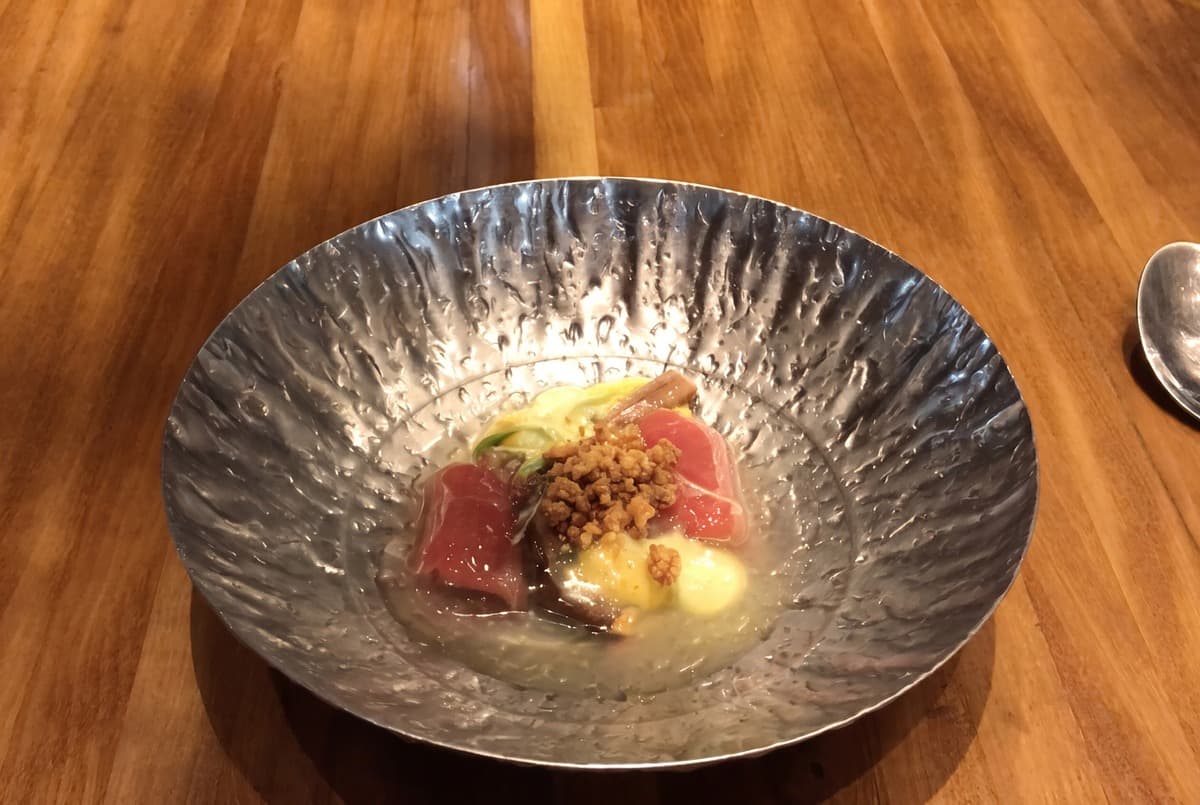
There is no such thing as pure Peruvian food, and that is the point. Two of the kitchens we are proudest of were built by immigrants who arrived with almost nothing and cooked their way into the family. The first is the chifa, the Chinese-Peruvian restaurant found in every town in the country. The second is Nikkei, the Japanese-Peruvian cooking that quietly reshaped how we treat fish.
Chinese immigration to Peru began in 1849, when the first laborers, most of them Cantonese, were brought in on long contracts to work the coastal plantations and the guano islands. When their contracts ended, many opened small food stalls and shops in Lima, especially around Calle Capón, which became the city's Chinatown. The word chifa comes from Cantonese and is usually explained as 'to eat rice' or simply 'to eat'. The food that came out of those kitchens, cooked with Peruvian ingredients in Chinese technique, is now so ordinary to us that we forget where it came from. Arroz chaufa, fried rice with soy and scrambled egg, is on the table at family gatherings. Lomo saltado, strips of beef flash-fried in a wok with onion, tomato and soy sauce and served over fries and rice, is arguably the most Peruvian dish there is, and it could not exist without the wok.
Japanese immigration came half a century later. The first group landed at Callao in 1899, also bound for the plantations, and later generations settled in Lima's markets and kitchens. Nikkei is the word for people of Japanese descent living abroad, and it became the name of their cooking. Where Peruvians cured fish for hours in lime, Nikkei cooks cut it thin and dressed it at the last moment, and the tiradito was born. They brought restraint to a loud cuisine, and respect for the fish to a country that already had the fish.
In the last generation Nikkei moved from neighborhood counters to some of the most celebrated dining rooms in the world, and chifa stayed exactly where it was, on every corner, feeding everyone. We love them for different reasons, and we claim both without hesitation.
To understand how a country eats, watch who it lets into the kitchen. We let the Cantonese in and got lomo saltado. We let the Japanese in and got tiradito. That is not a footnote to Peruvian food. It is the recipe.
Experience it
Cook it
Saborear (to taste) is our sister site for cooking and tasting Peruvian food.
Related entries
Keep going
Eat & Drink
Ceviche
Places
Lima
Eat & Drink
The Potato