Lima
The capital on the Pacific: a grey, enormous, generous city that is best understood one neighborhood and one table at a time.
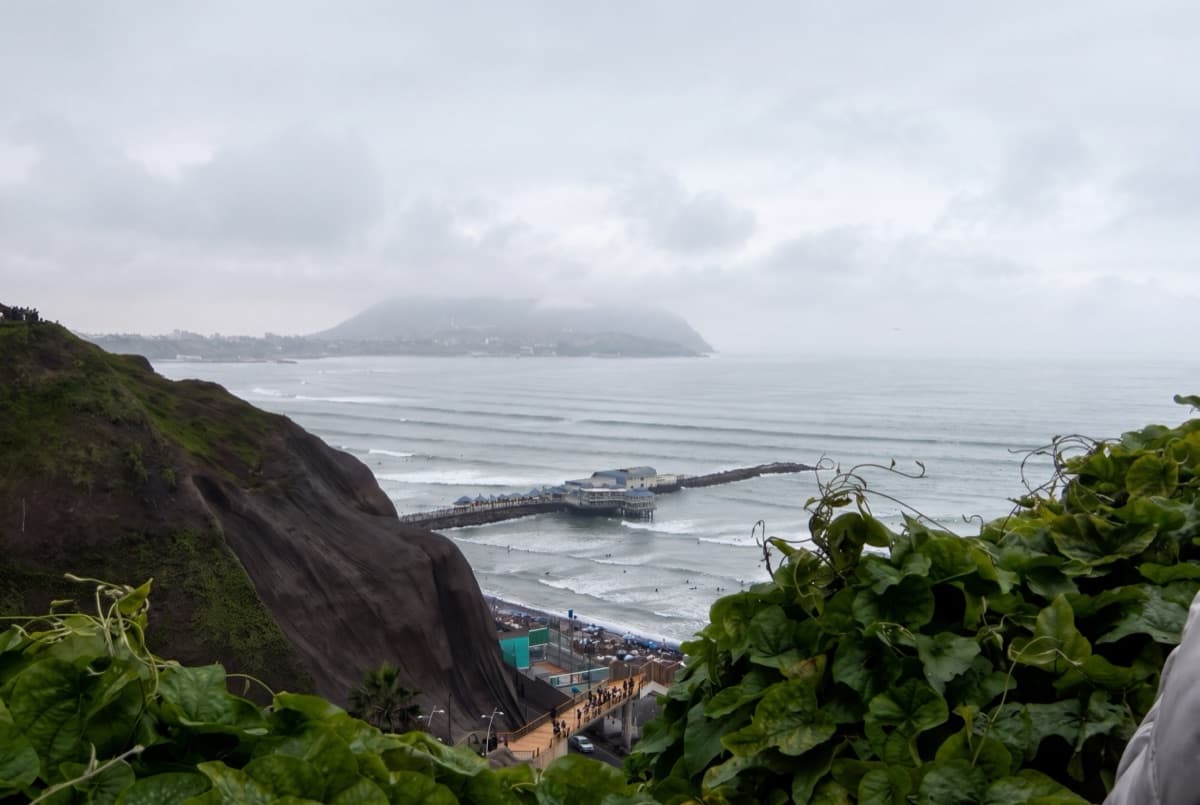
Lima is where roughly one in three Peruvians lives, and it is the first thing most visitors want to leave. Give it two days and it becomes the city you want to go back to. It is enormous, built on a coastal desert where it almost never rains, and for half the year it sits under a low grey mist we call garúa that gives the city its old nickname, Lima la gris. Then the sun comes out in December and the whole place turns toward the sea.
Francisco Pizarro founded the city in 1535 on the banks of the Rímac river and named it the City of Kings. For nearly three centuries it was the richest and most powerful city on the continent, the capital of the Spanish viceroyalty, and the historic center still carries that weight: the Plaza Mayor, the cathedral, the carved wooden balconies that UNESCO recognized as World Heritage. But Lima is older than Pizarro. The adobe pyramid of Huaca Pucllana rises in the middle of Miraflores, built by the Lima culture more than a thousand years before the Spanish, and the city has dozens of these huacas sitting quietly between apartment blocks.
The way to read Lima is by district. Barranco is the old seaside resort turned bohemian quarter, with bridges, murals and bars in nineteenth-century houses. Miraflores is the clifftop, the parks and the malecón where the city goes to run, kiss and watch paragliders. The historic center is the churches and the chaos. Callao, the port, is a separate province with its own pride. And the districts that tourists never see, the conos that climbed the surrounding hills over the last seventy years as families moved down from the Andes, are where most Limeños actually live and where much of the city's energy comes from.
What ties the districts together is food. Lima is the capital of ceviche, of the Sunday chifa, of anticuchos grilled on street corners at night, of picarones dripping with syrup. It is also a city whose restaurants regularly appear on international lists, and the chefs who run them cook from the same markets as everyone else. Walk through the Surquillo market in the morning and you will see both.
We will not pretend Lima is easy. The traffic is a civic emergency, the mist gets into your mood, and the city rewards patience more than planning. But a capital where the best meal of your life might be at a plastic table, where a pyramid sits across from a café, and where everyone's family came from somewhere else in Peru, is a fair introduction to the rest of us.
Experience it
Taste it
Saborear (to taste) is our sister site for cooking and tasting Peruvian food.
Related entries
Keep going
Eat & Drink
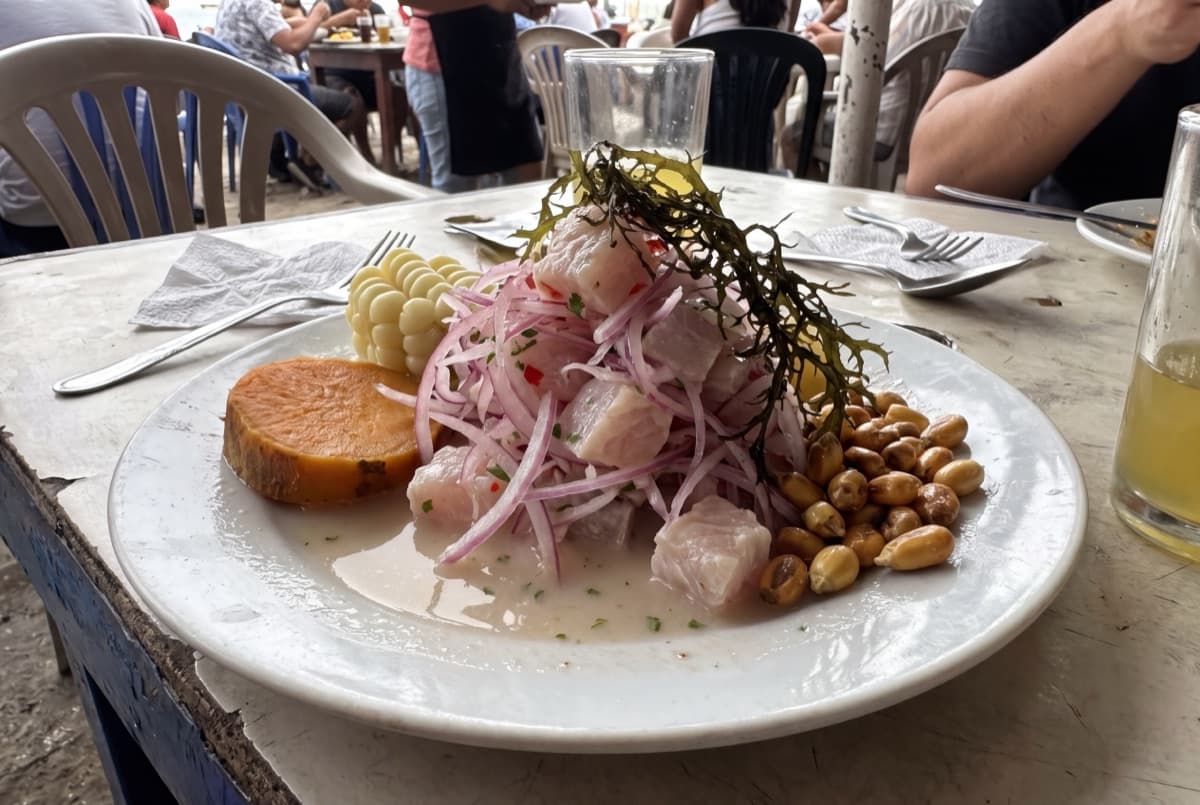
Ceviche
Eat & Drink
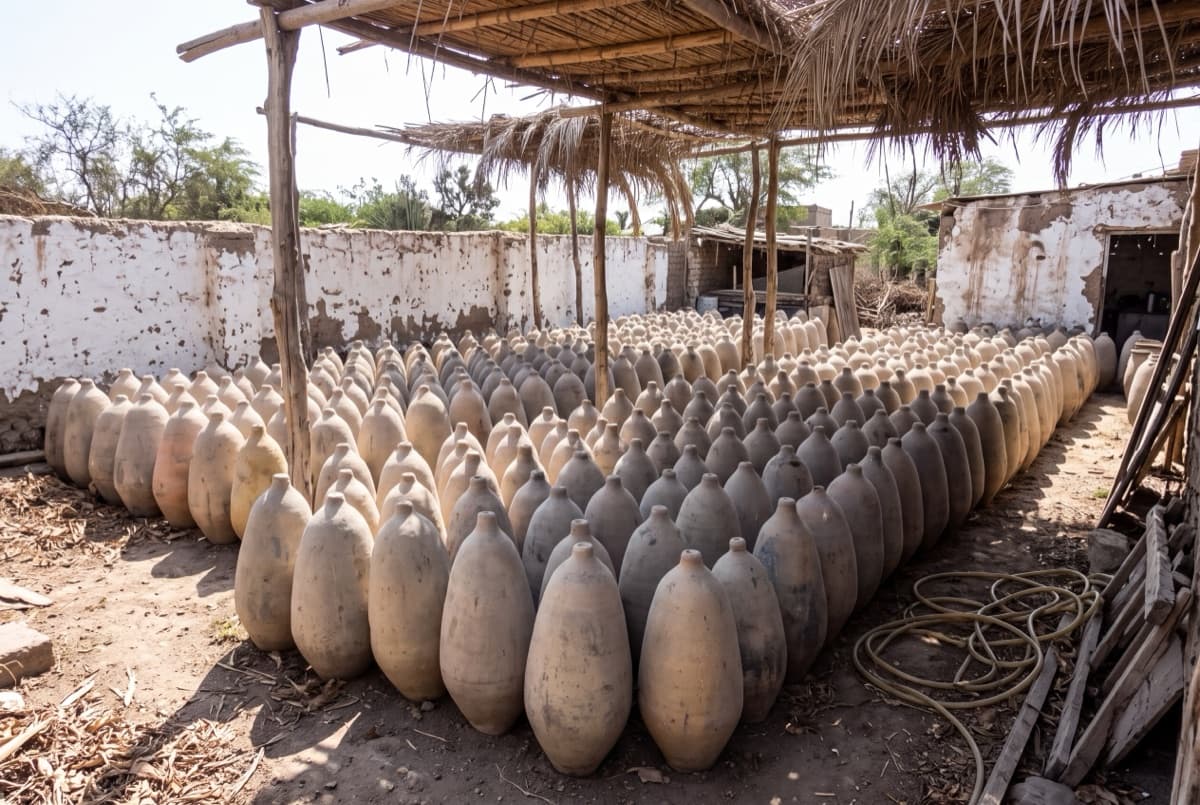
Pisco
Eat & Drink
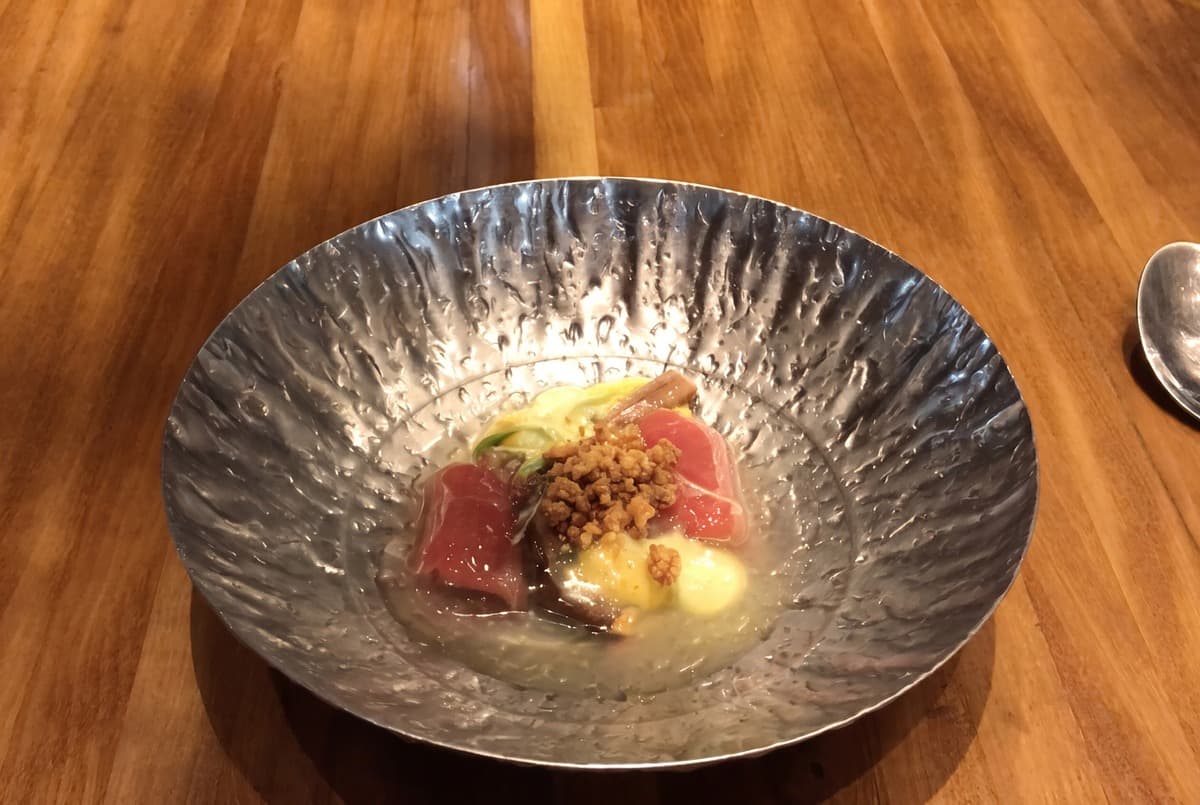
Chifa and Nikkei