Inti Raymi
The Inca festival of the sun, staged every June in Cusco at the turn of the Andean winter.
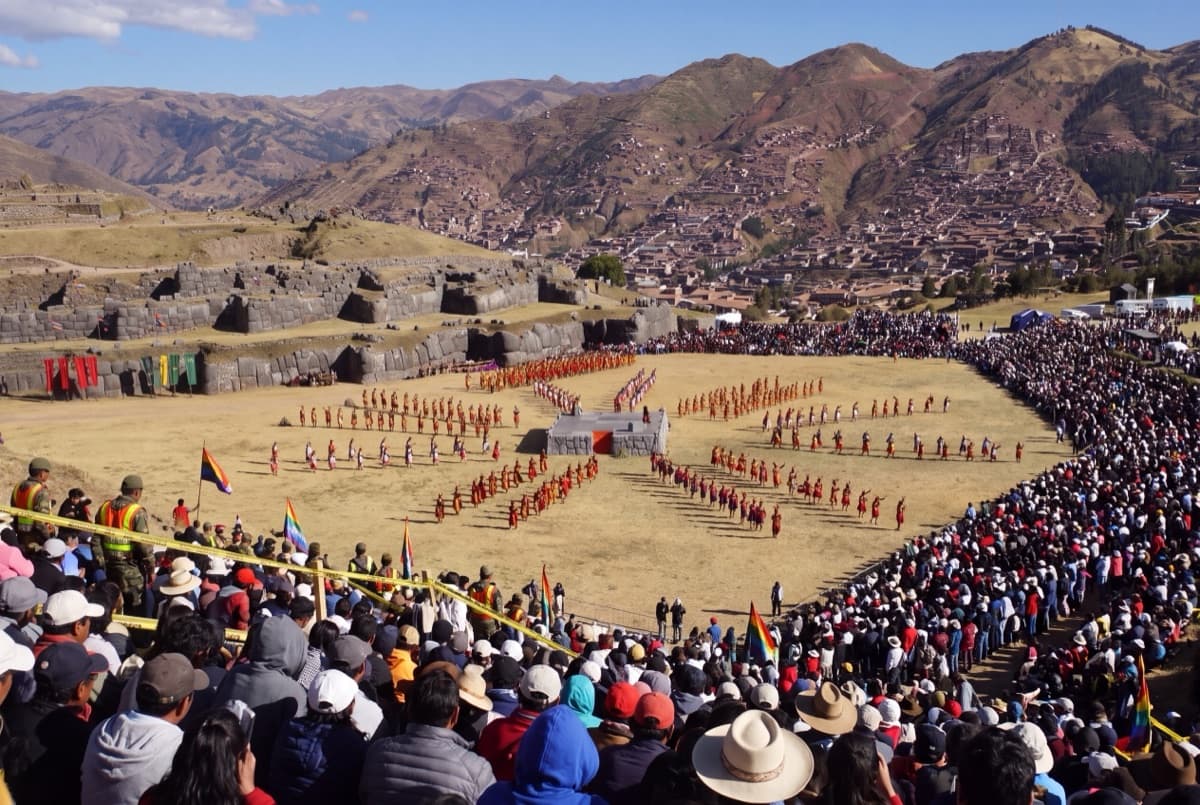
Every year on June 24, Cusco stops for the sun. Tens of thousands of people climb to the stone terraces of Sacsayhuamán above the city to watch a procession that begins at the Qorikancha, the old Temple of the Sun, passes through the Plaza de Armas and ends with an offering to Inti, the sun god of the Incas. We call it Inti Raymi, and for us it is less a show than a reminder of who built the city we live in.
The original festival was the most important date in the Inca calendar. It marked the winter solstice in the southern hemisphere, the shortest day of the year, when the sun was farthest away and had to be asked to return. The Inca emperor led days of ceremony, fasting and sacrifice in the capital, and the whole empire, from what is now Ecuador to Chile, followed the same rhythm. After the Spanish conquest the festival was suppressed; the viceroy Francisco de Toledo banned it in 1572 as a pagan rite.
What we celebrate today is a revival. In 1944 a group of Cusco intellectuals, led by the writer and actor Faustino Espinoza Navarro, reconstructed the ceremony from the chronicles of Garcilaso de la Vega and staged it as a civic festival. Espinoza played the Inca himself for years. The script is in Quechua, the actors are Cusqueños, and the festival is held on June 24, which Cusco also keeps as the Día del Cusco, a few days after the actual solstice.
Knowing it is a reconstruction does not make it less ours. The Spanish spent centuries trying to make us forget the sun; a city that decides to remember it in public, in its own language, every year, is making a statement about what it means to be from here. For the people of Cusco, the week around Inti Raymi is also the biggest celebration of the year, with parades, dancing and a city full of family who came home for it.
If you come, come early. The Sacsayhuamán esplanade fills hours before the ceremony, the sun at 3,400 meters is strong even in winter, and the best view of the Qorikancha opening is from the street, for free. Then stay for the days around it. The festival is the headline, but the week is the point.
Experience it
Book it
IncaTrail.com, our sister site, handles trips, trail permits and the days around the festival.
Related entries
Keep going
Places
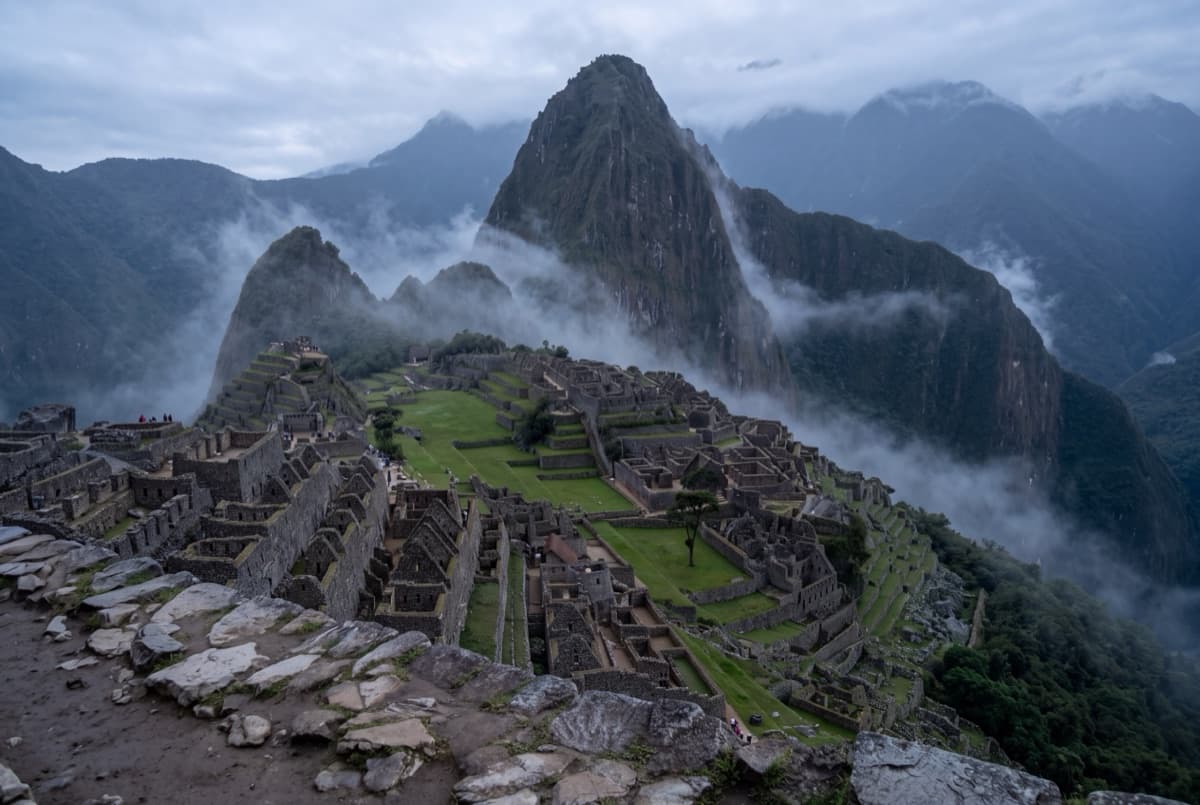
Machu Picchu
Heritage
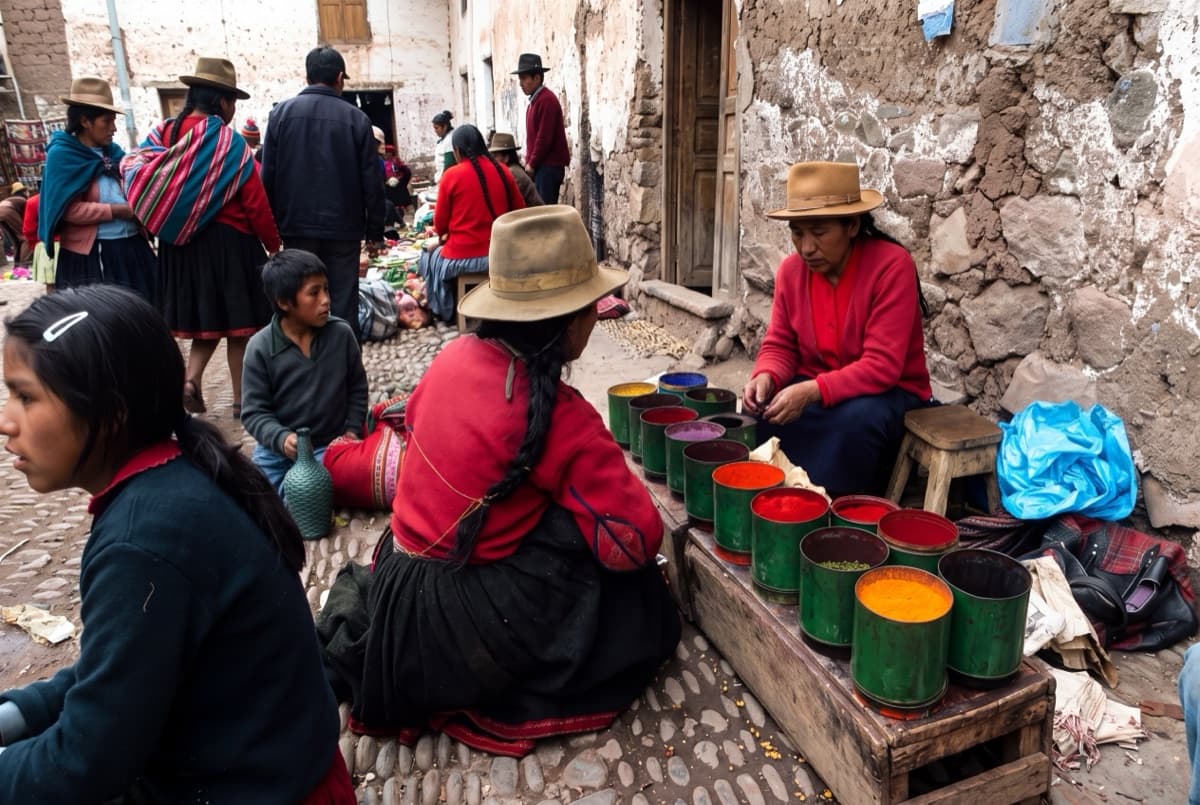
Quechua
Made in Peru
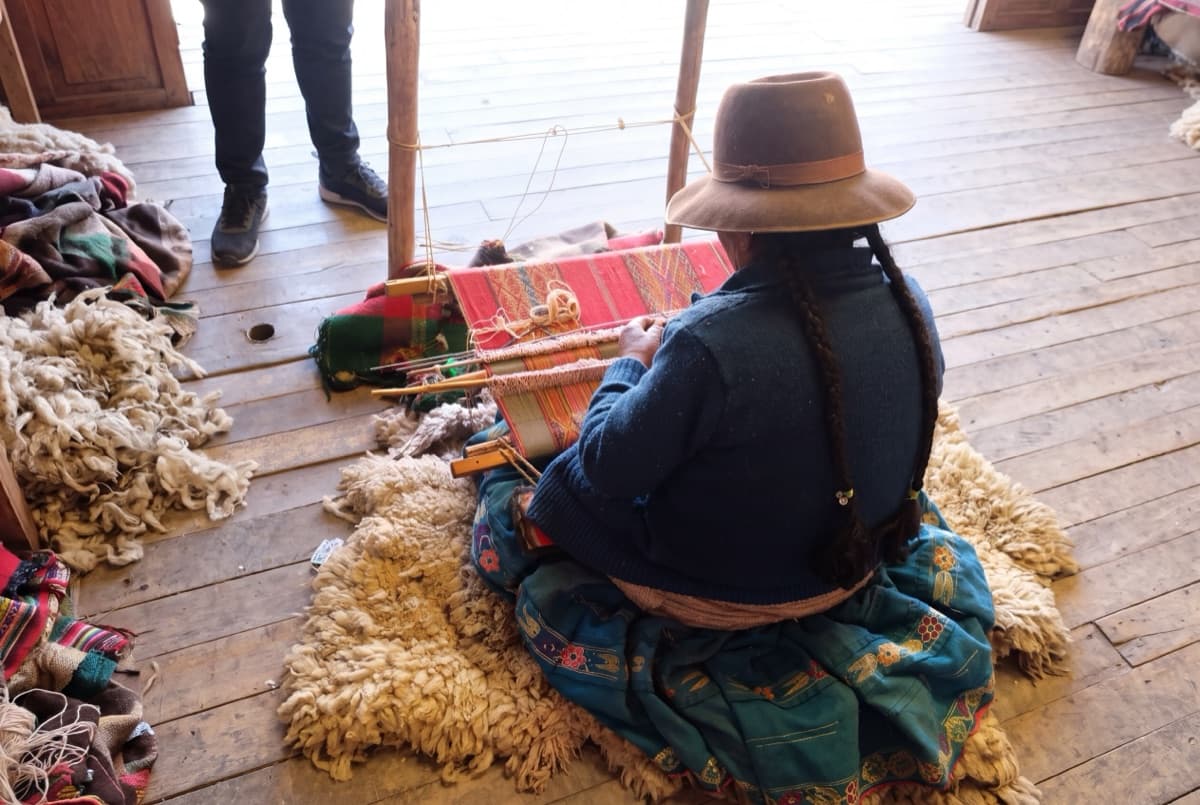
Alpaca and Andean Textiles