Alpaca and Andean Textiles
The animal, the fiber and the weaving families who have kept one of the world's oldest textile traditions alive in the high Andes.
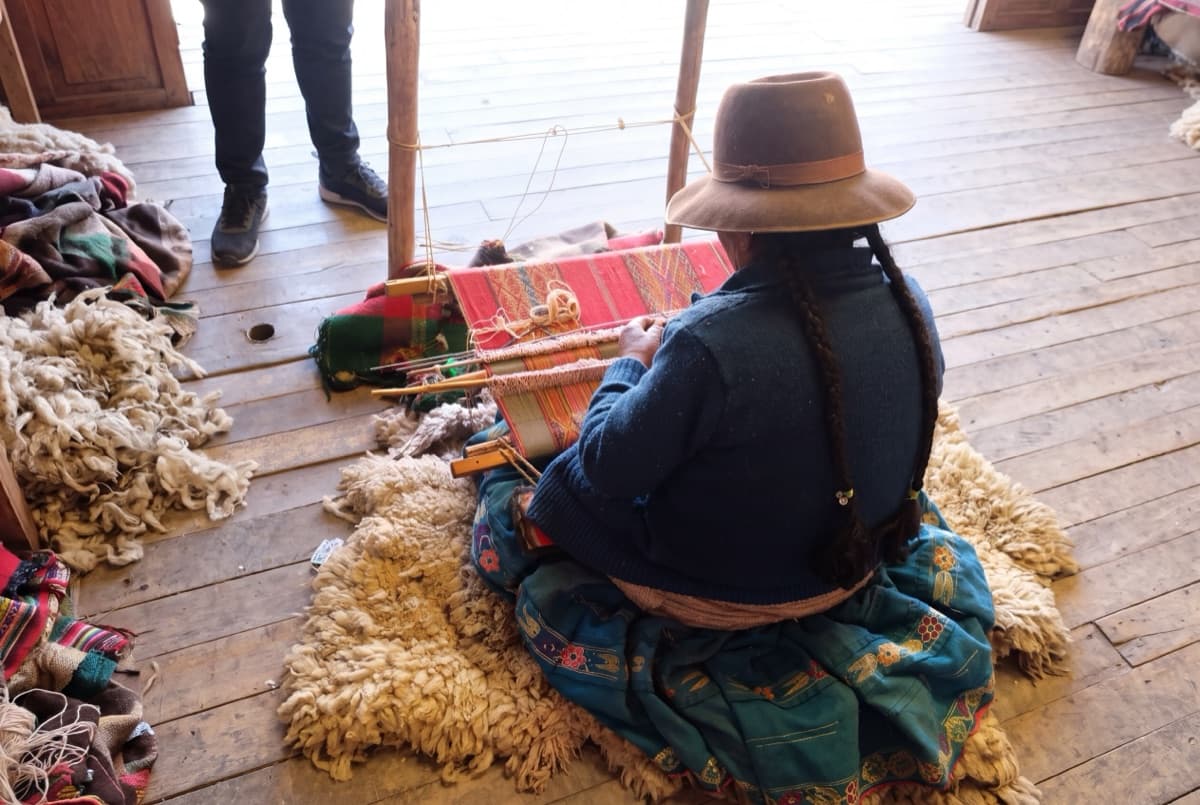
Before the Incas had an empire, the Andes had alpacas. Herders on the high plateaus domesticated them from the wild vicuña thousands of years ago, and by the time the Spanish arrived, fine cloth was the most valuable thing in the Inca state, more precious than gold. Cloth was tribute, gift, uniform and record. The finest grade, cumbi, was woven for the emperor alone. We are the country that kept this going.
Peru holds the majority of the world's alpacas, most of them on the puna above 3,800 meters in Puno, Cusco, Arequipa and Huancavelica, where almost nothing else can be farmed. There are two breeds: the huacaya, with dense, crimped, teddy-bear fleece, and the rarer suri, whose fiber hangs in long silky locks. Herders shear once a year, in the warm months, and sort the fleece by hand into grades. The finest from a young animal's first shearing is sold as baby alpaca, which refers to the fineness of the fiber, not the age of the animal. Above all of it sits the vicuña, still wild, protected and shorn alive in communal round-ups called chaccu, yielding the most expensive natural fiber on earth.
The fiber is half the story. The other half is what the weavers do with it. In communities around Cusco such as Chinchero, Pitumarca and Chahuaytire, and on Taquile island in Lake Titicaca, women and men spin on drop spindles while walking, dye with cochineal, plants and minerals, and weave on backstrap and ground looms in patterns that identify a village as clearly as a flag. UNESCO recognized the textile art of Taquile as intangible cultural heritage. Weaving cooperatives led from within these communities, like the Center for Traditional Textiles of Cusco, have spent the last decades recovering designs and techniques that were nearly lost and making sure the next generation is paid fairly to learn them.
This matters because most of what is sold to visitors as alpaca is not. Markets are full of machine-knitted acrylic blends labelled baby alpaca at prices no weaver could match. Real handweaving has small irregularities and a maker who can tell you her name.
That maker is the point of this section. Made in Peru will grow into a directory of the families, cooperatives and workshops who make things by hand, with a way to reach them directly. Until it does, the honest next step is to learn to tell the real thing from the copy.
Experience it
Find the makers
A directory of weavers, cooperatives and workshops with direct contact is planned. Nothing is listed until it is verified; we will not point you at a shop we have not checked.
Made in Peru directory, coming in phase two
Related entries
Keep going
Places
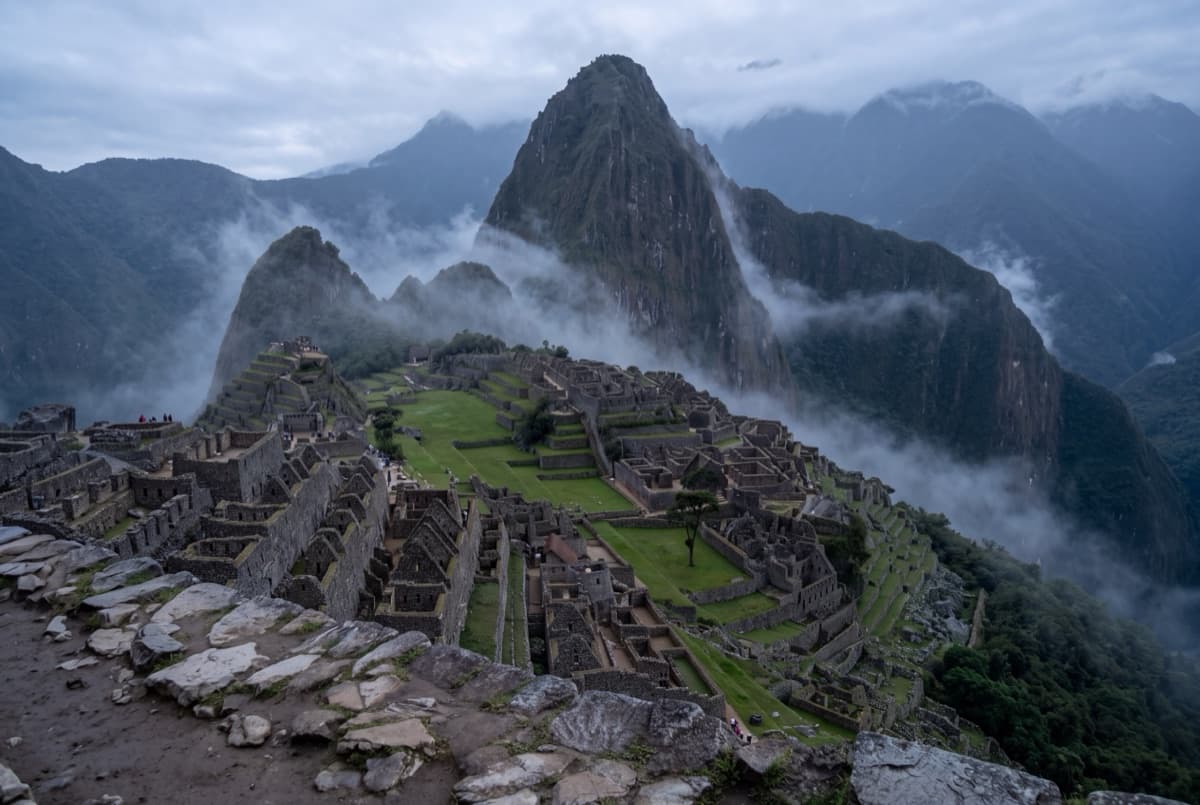
Machu Picchu
Heritage
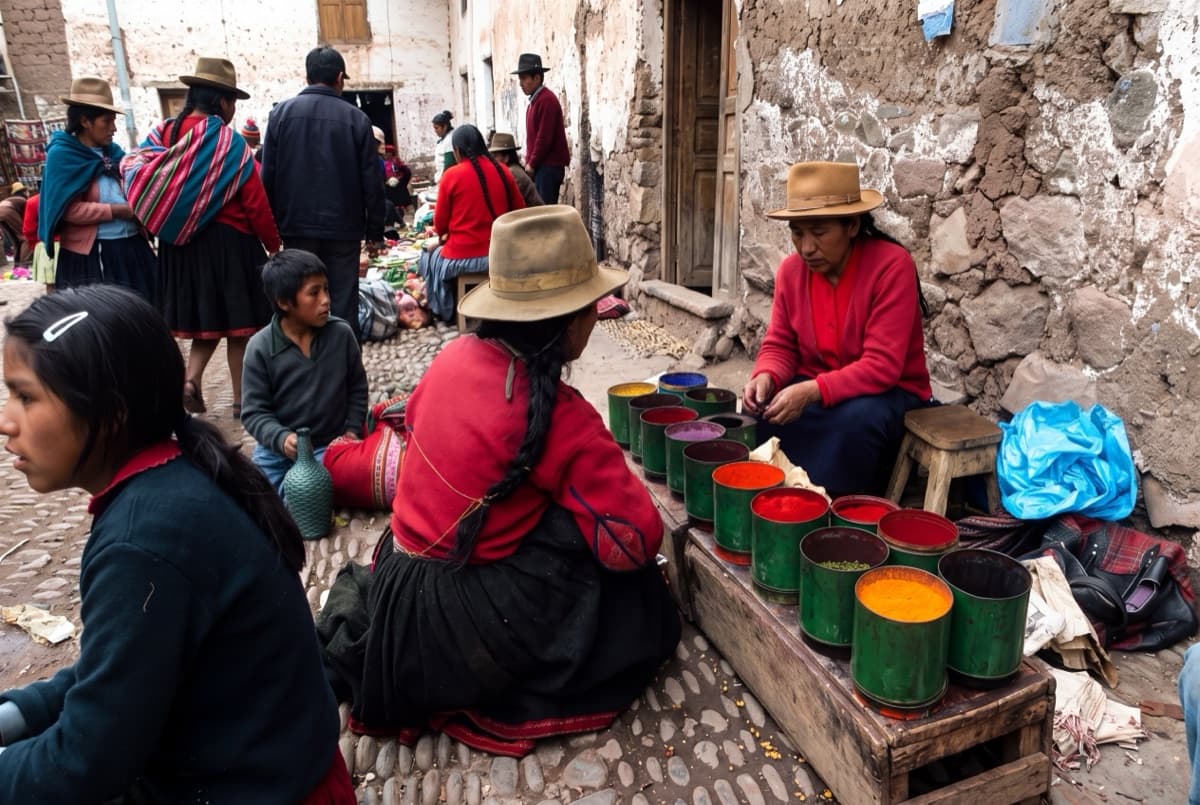
Quechua
Eat & Drink
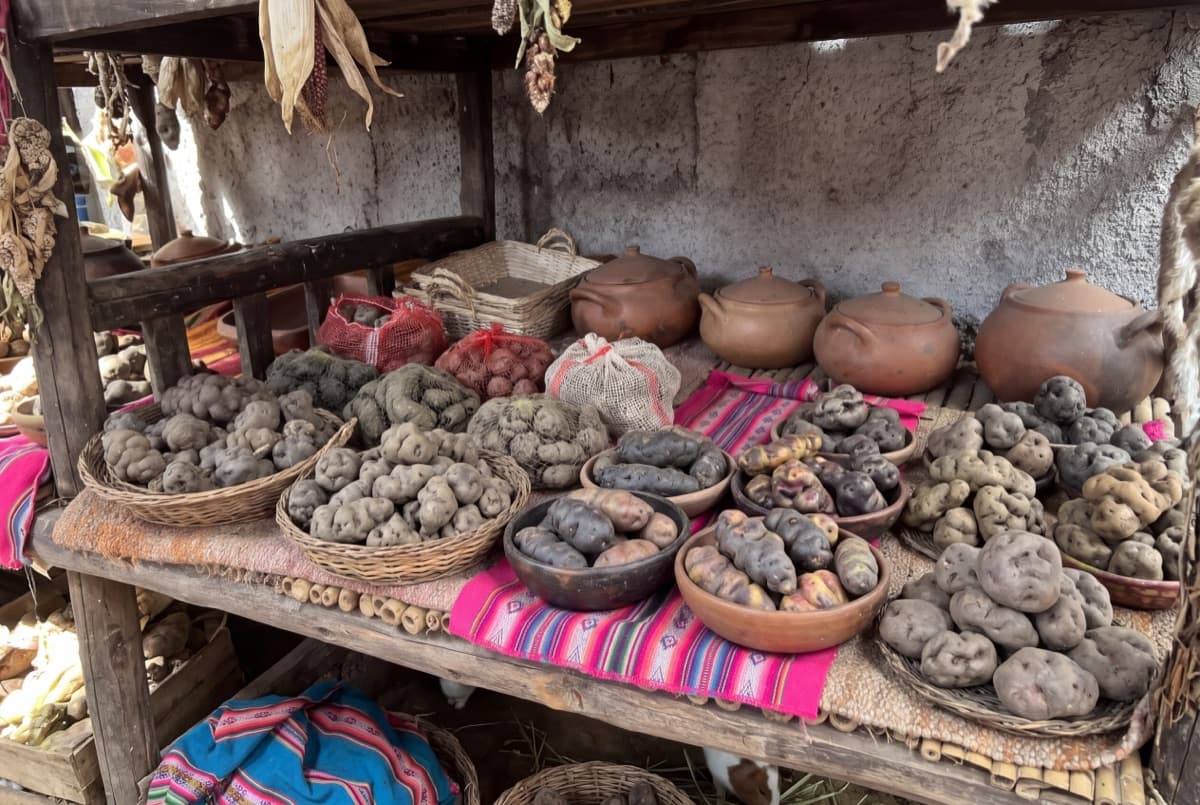
The Potato